Customer Support : 020-61923200, [email protected] | Call and Trade : 020-61923220

Fresh vs Running
In technical analysis, traders often differentiate between fresh triggers and running setups when they read oscillators and trend-following indicators. Getting this distinction right can be crucial to better timing and decision-making.
A fresh trigger is a new signal, typically the start of a potential move. For example, in MACD, a new bullish trigger happens when the MACD line crosses above the signal line, preferably below the zero line for more conviction.
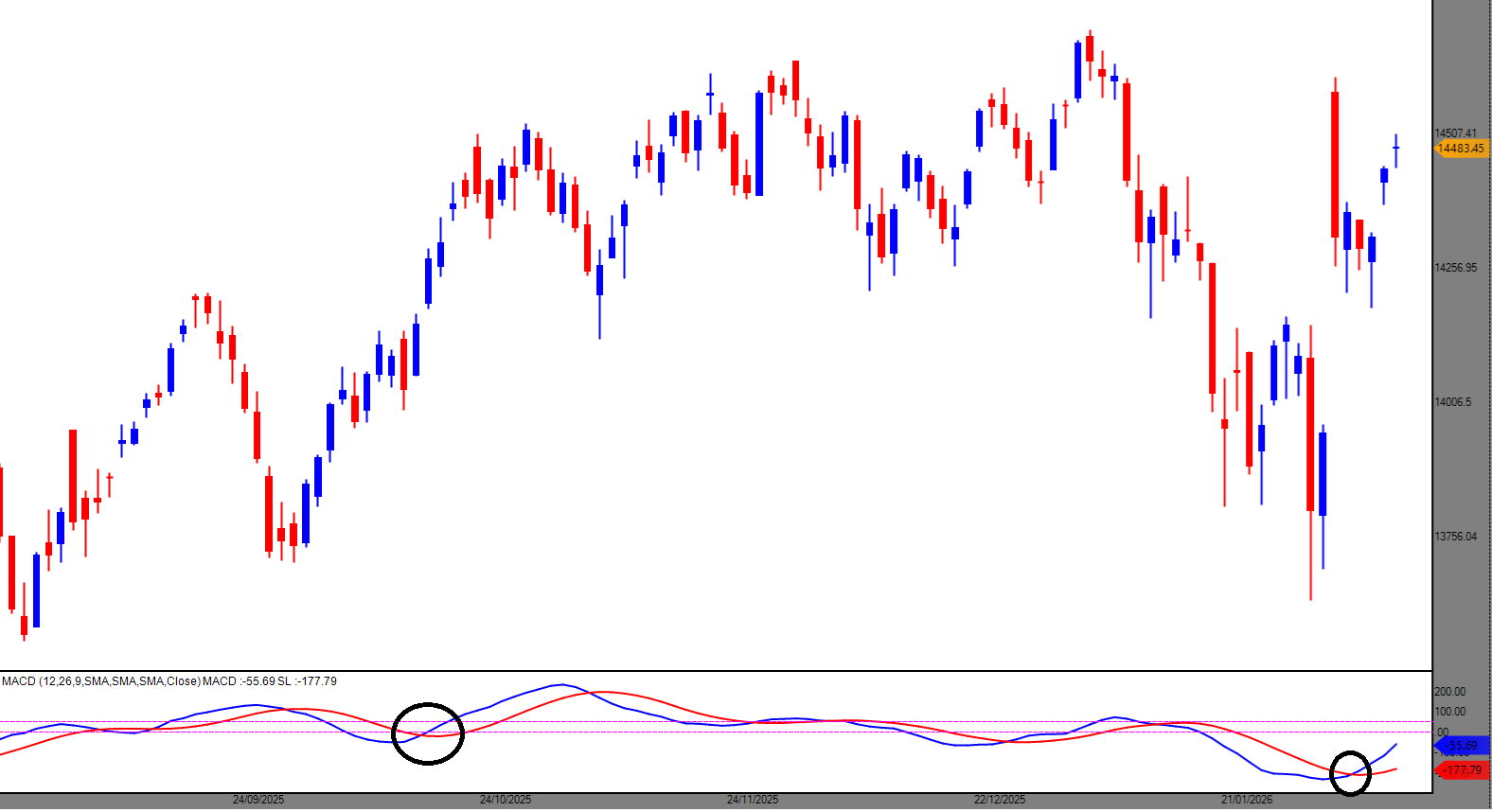
In RSI, a move above 30 from oversold or a breakout above 50 can be an early sign of strength.
A moving average crossover, such as the 50-day crossing above the 200-day (Golden Cross), indicates the start of a new trend. These triggers are attractive in that they allow for early entry, but also carry a higher probability of failure.
A running setup is on the other hand a continuation of an already established trend and the indicators still support the direction. For MACD, it means the lines are already above zero and widening, momentum is ongoing.
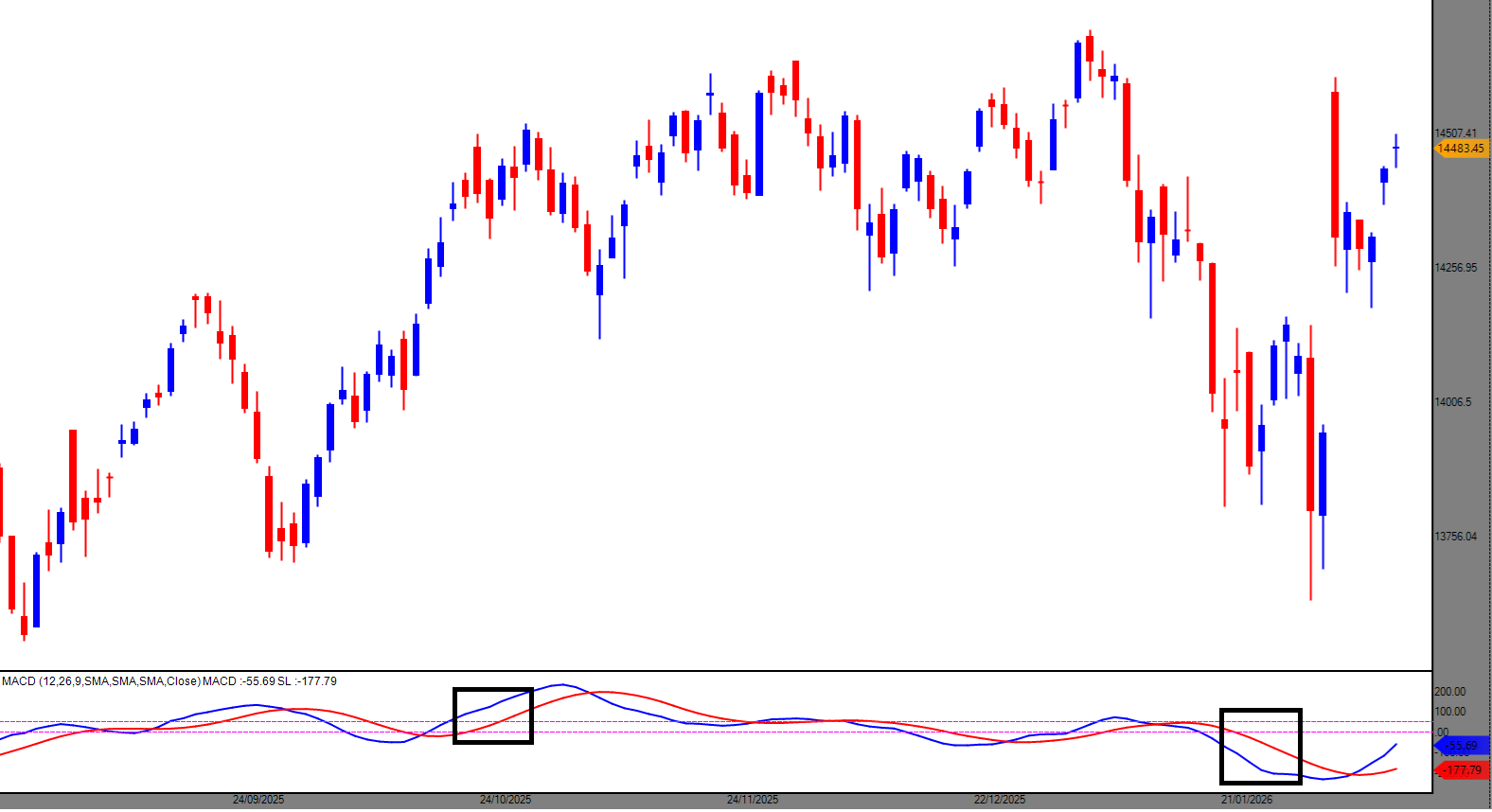
In the RSI, values that stay above 60 in an uptrend are showing strength, not overbought conditions.
With Super Trend, price above the indicator means the trend is intact.
Ichimoku, If the price is above the cloud and bullishly aligned (Tenkan above Kijun), it is a continuation and not an initiation.
“All Running strategies will also consider Fresh Conditions”
Risk and Confirmation
The major difference is risk and confirmation. Fresh triggers, better reward-to-risk, less confirmation. Running setups give better confirmation but often at the expense of late entry.
New triggers are opportunities to start positions with tight risk management and running setups are better for pyramiding positions or holding winners. The real advantage is to have both. Get in early when you can, but stay longer when the trend has proven itself.