Published on: October 14, 2025

Precious metals have been hogging the headlines after the recent spurt in prices. Both gold and silver are at all-time highs and the craze for these metals, especially during the current festive eve, is peaking as well.
Exchange Traded Funds or ETFs have emerged as a convenient option for investors to take exposure in precious metals. Recently, the silver ETFs have emerged as a popular investment option in India as silver prices have been on a tear, crossing the psychological Rs.1,60,000/kg mark.
However, recent developments have raised questions about the functioning of Silver ETFs and the reasons behind Asset Management Companies (AMCs) halting fresh investments, which is due to a demand-supply disparity in the physical market.
What Is a Silver ETF?
A Silver ETF is a fund that tracks the price of silver and is traded on stock exchanges, similar to stocks. Investors can buy units of these ETFs through their demat accounts, gaining exposure to silver’s price movements without the need to buy, store, or insure physical silver. These ETFs are offered by asset management companies (AMCs) that typically invest in physical silver or silver futures contracts, and hence their value mirrors the price of silver in the market.
Why Are AMCs Halting Fresh Investments in Silver ETFs?
Several leading AMCs in India, including Kotak, UTI, SBI, and ICICI Prudential, have temporarily suspended fresh lump-sum and switch-in investments in their Silver ETF Funds of Funds (FoFs) . This decision is primarily due to:
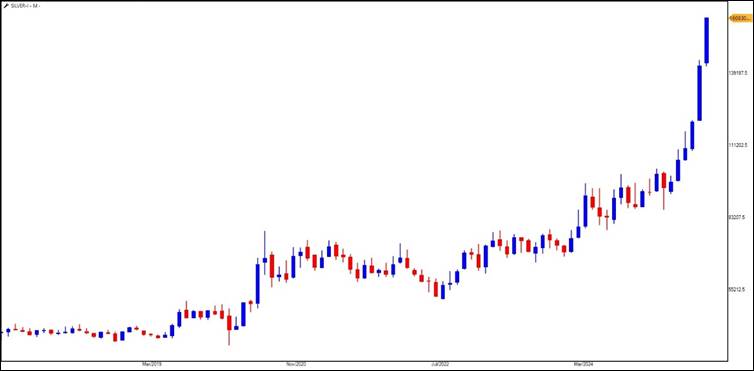
- Surge in Silver Prices: Silver prices have reached record highs of Rs. 1,60,000, with domestic prices in India trading at a premium of 5% to 12% over international rates.
MCX Silver Price Chart
- Supply Shortages: There is a significant shortage of physical silver in the domestic market, exacerbated by increased demand during the festive season and limited global supply.
- Valuation Concerns: The inflated premiums have led to concerns that new investors might enter at overvalued levels, potentially impacting their returns.
- Operational Constraints: AMCs rely on market makers to create new ETF units by delivering physical silver. The current supply constraints have disrupted this process, making it challenging to create new units at fair valuations.
Impact on Investors
- Systematic Investment Plans (SIPs): Existing SIPs and Systematic Transfer Plans (STPs) are generally unaffected by these suspensions.
- Lump-Sum Investments: New lump-sum and switch-in investments are temporarily halted to protect investors from entering at inflated prices.
- Trading on Exchanges: Silver ETFs continue to be traded on stock exchanges, allowing investors to buy or sell units at prevailing market prices.
What Should Investors Do?
- Exercise Caution: Given the current market conditions, it’s advisable to be cautious and avoid making hasty investment decisions. Always check the net asset value of the ETF, which is shared in the AMC’s website and compare it with the prevailing market price. In case of a huge discrepancy or premium, then stay away and exercise caution.
- Monitor Market Trends: Keep an eye on silver prices and supply dynamics to identify more favorable entry points.
- Diversify Portfolio: Consider diversifying your investment portfolio to mitigate risks associated with commodity investments.
Investing in Silver ETFs can be a smart way to participate in the silver market without the hassle of storing physical metal. But as we have seen, even seemingly simple investments can have their challenges. The recent halt on fresh investments by AMCs highlights the demand-supply imbalance.
The soaring demand for silver, coupled with rising prices and AMC restrictions, has sparked a wave of FOMO among investors, making many anxious that they might miss out on potential gains if they don’t act quickly. And if that’s the case with you, do not forget the Silver fall of 2011-2012 when silver prices corrected over 35%. More than FOMO, managing the risk is important.